
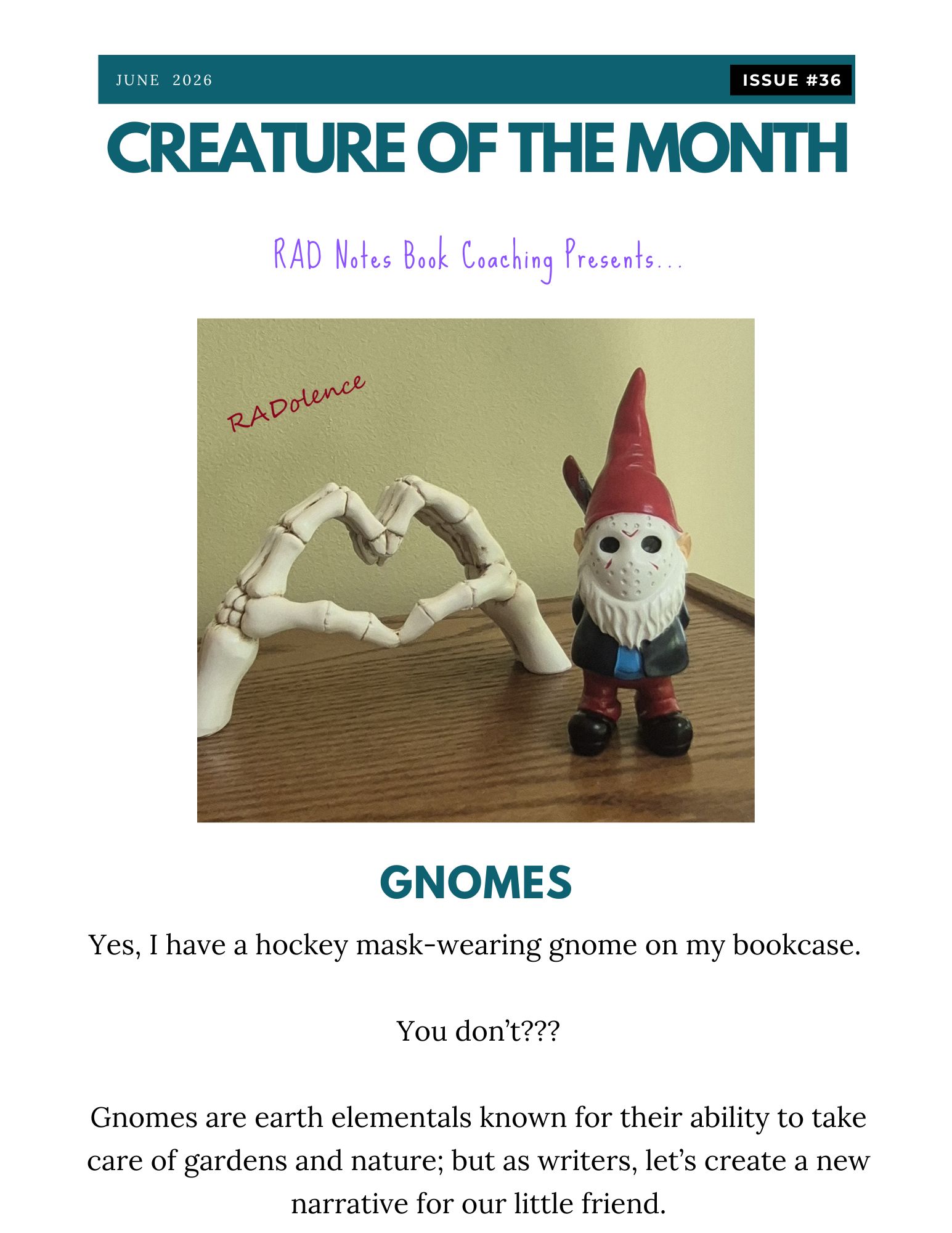

An alchemist of 16th century Sweden, named Paracelsus, coined the term GNOMUS, derived from the Latin term, GENOMOS, or earth-dweller.
He stated that these little creatures move through the earth, much like fish move through water. This term and descriptions were published in A Book on Nymphs, Sylphs, and Salamanders, and on the Other Spirits (1566). But Gnomes have been around much longer than the 16th century.
Gnomes were found in Ancient Greek and Roman mythology with little differences. The Greeks believed that Gnomes were earth elementals, dwelling in the earth and guarding its treasures–not to be confuse with dwarves that live in caves inside the earth.
The Romans called their Gnomes, Lares, and considered them household gods that protected the home and family.
The ancient mythology of Gnomes reflect more paganistic concepts. Before the Common Era, they were known as Guardians of the Earth and of her precious stones and metals. And it was believed that Gnomes had the ability to control earthly elements; which means, they had the power to cause natural disasters and earthquakes if angered.
It wasn’t until the 19th Century that Gnomes became more popular in Europe as garden ornaments. Why is this? We’ll discuss this in the Writing Fusion Section.

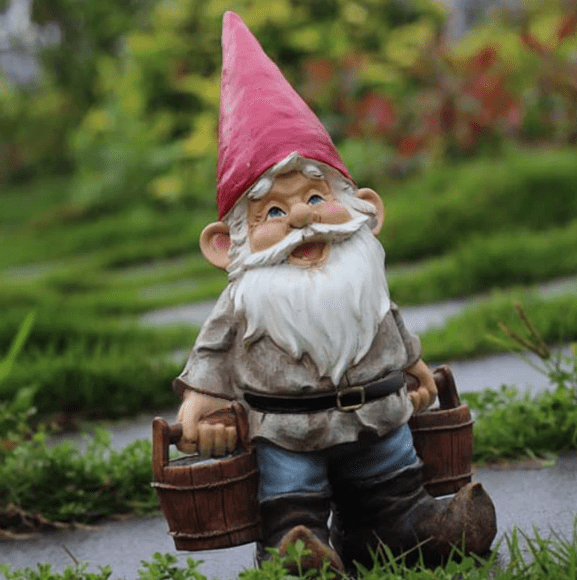
- Depicted as small, elderly men with full white beards and colorful conical hats
- Stocky build with short arms and legs and a round belly
- Have friendly approachable smiles
- Lives underground
- Wears rustic attire
- Quiet, Private, Taciturn
- Have a reputation of emerging from underground at night to help with garden work
- Guardians of precious stones and metals
- Protectors of plants and the natural world
- Have good relationships with birds, foxes, rabbits, hedgehogs, and squirrels
- Said to hibernate during the winter months
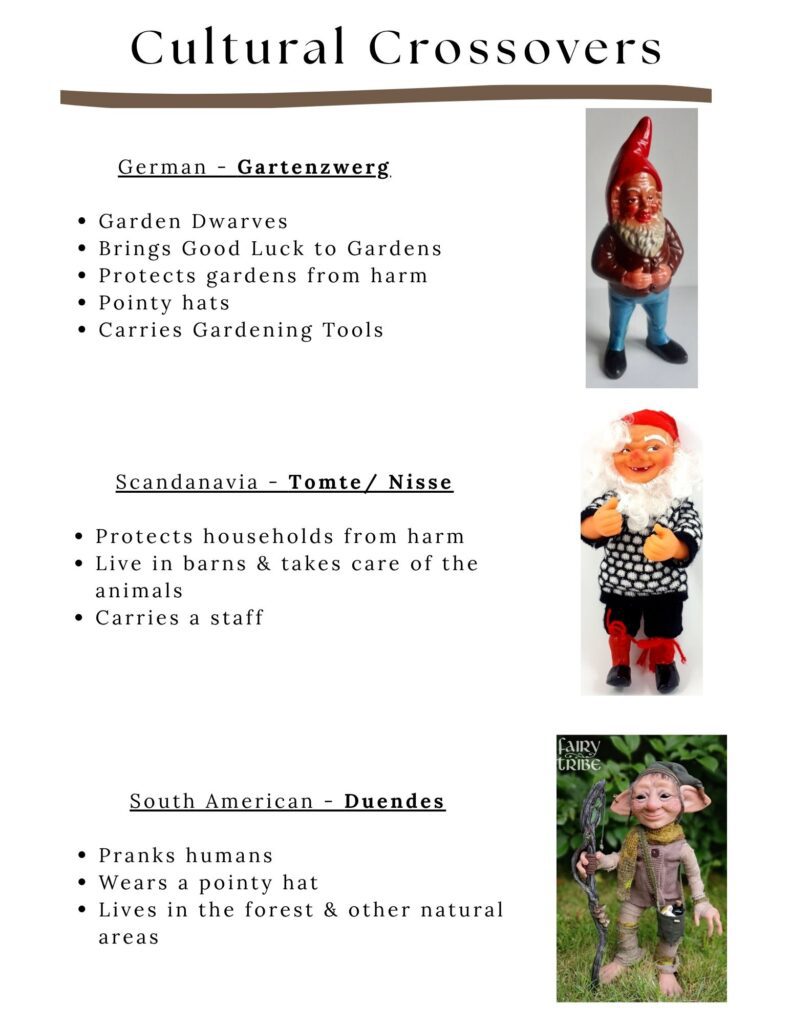

To reiterate, Gnomes live beneath the surface of the earth and are known both as happy little helpers of human gardens, and fierce protectors of precious stones and metals. They became popular in 16th century Europe, but have been around for centuries.
Above, the Origins & Legends section, I noted that Gnomes have evolved from Ancient Greece as protectors of precious stones and metals to happy little garden helpers. And as speculative fiction writers, it’s our job to ask questions about this transistion.
Here are some What If’s to help bet the writing juices flowing…
- What if…Gnomes look harmless in the urban garden during the day, but come nightfall, they wake up and prank the locals?
- What if…Gnomes’ pointy hats held more than just their white hair?
- What if…Gnomes rose up against humans due to their apathy toward nature, and now humans must deal with the consequences?
- What if...Humans destroyed all the Gnome caves around the world that protected all the precious stones and metals? What would the new world look like?
Happy Writing,
-RADolence
Gnome: Mythical Creature Overview and History – Mythical Encyclopedia
The Evolution of Gnome Legends: From Ancient Beliefs to Modern Interpretations – Mythology WorldWide
Gnomes: History and Symbolism Explained
* Not all images are not mine; therefore, I cannot take credit.