Finding Hidden Gems in Plain Sight
All books need characters. Sorry, there’s no getting around this. Whether the character is a human, a creature of myth and lore, or an animal, they are the root of every tale. Their purpose is to awaken emotions in readers that are powerful, thematic, and are the structural backbone of any narrative.
Your goal as a writer is to create characters that have an emotional investment in the story, which in turn, creates an emotional investment in your readers. Plots don’t exist in a vacuum; they are born from a character’s desires, fears, traumas, worldviews, and choices. When you can describe how and why the character acts in a particular way, you can more easily develop wants, desires, and stakes.
Finding Characters in Plain Sight
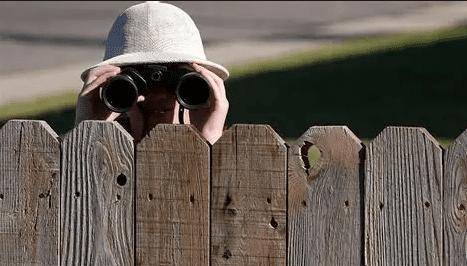
Many writers feel like they need to create characters from scratch, but by observing your surroundings, you will find real people in real moments, with real emotions and real reactions. (The repetition is intentional).
Think of any person. In the room you’re sitting now. On the street. In your own family. Look in the mirror. An actor. A business billionaire. The janitor. An astronaut. Janice from accounting. A neighbor.
In my case, my office is a transformed sunroom. That means that I can observe what the neighbors are doing. I watch people walking their dogs every day, at the same time. I know when Ben gets off of the school bus. I know that the lady across the street gets DoorDash at least twice a day, sometimes three. The guy up the road has a ridiculous obsession with keeping debris out of his landscaping. What does this say about what I’ve observed?
Paying Attention to Micro-Behaviors
Observing from a distance, without interacting or influencing the moment offers gleams of clarity. Notice repetitional patterns such as posture, fidgeting, how someone simply takes up space. Think about a person who never sits with their back to a door. What do these small gestures say about what kind of person they are? What are they hiding?
Let’s go back to the neighbor who is meticulous about his landscaping. Why does he care so much about what the outside of his house looks like? What do you think the inside reveals? Using this example, focus on his choices, his worldview. Did something from his past force the idea that he needs to keep his landscaping tidy? What if his mother kept a perfect garden and he misses and mimics her now in his old age?
Here’s what I’ve come up with in observing my landscaping obsessed neighbor. And to be clear, I’m making this up and is not a true reflection of Joe.
Joe’s possible motivational force behind observed behavior
- Joe has a need for control. And what better way to feel like you have control, than to try to control nature.
- Joe takes pride in outward appearances
- Joe has anxiety about being judged
Joe’s Desire, Want, & Stakes
- Desire: If he can control his environment, he can control other aspects of his life
- Want: A perfectly maintained yard
- Stakes: If Joe can’t control the yard, he may feel exposed or judged, fear that others will see his as incomplete, and/or afraid his inner chaos is exposed
These examples show how character traits have a deeper meaning.
Conclusion
Behavior is language. When we analyze and observe nonverbal gestures, we are reading the room. We are understanding a type of communication without words. When you see a sequence of reactions in particular events, you are creating a narrative. You don’t need access to internal thoughts to understand their psychology. Up close, people perform. From afar, people leak truth.
Happy Writing,
-RADolence
Victoria Marie Lees
You share such insight in your posts, Rebecca. You are knowledgeable and concise. You concretely lay out your point for the reader. Thank you!
Rebecca Dolence
Thank you. I try to take concepts of writing and making them easier to understand. Turns out, not everything is as difficult as we sometimes make it.